Light Microscope: Complete Guide, Types, Uses, and Working Principle
Introduction to Light Microscope
A light microscope is one of the most essential tools in science, widely used in biology, microbiology, medicine, and laboratory research. It uses visible light and a system of lenses to magnify small objects that are invisible to the naked eye.
The light microscope remains a fundamental instrument in laboratories because it is cost-effective, easy to use, and highly versatile for observing cells, tissues, and microorganisms.
What is a Light Microscope?
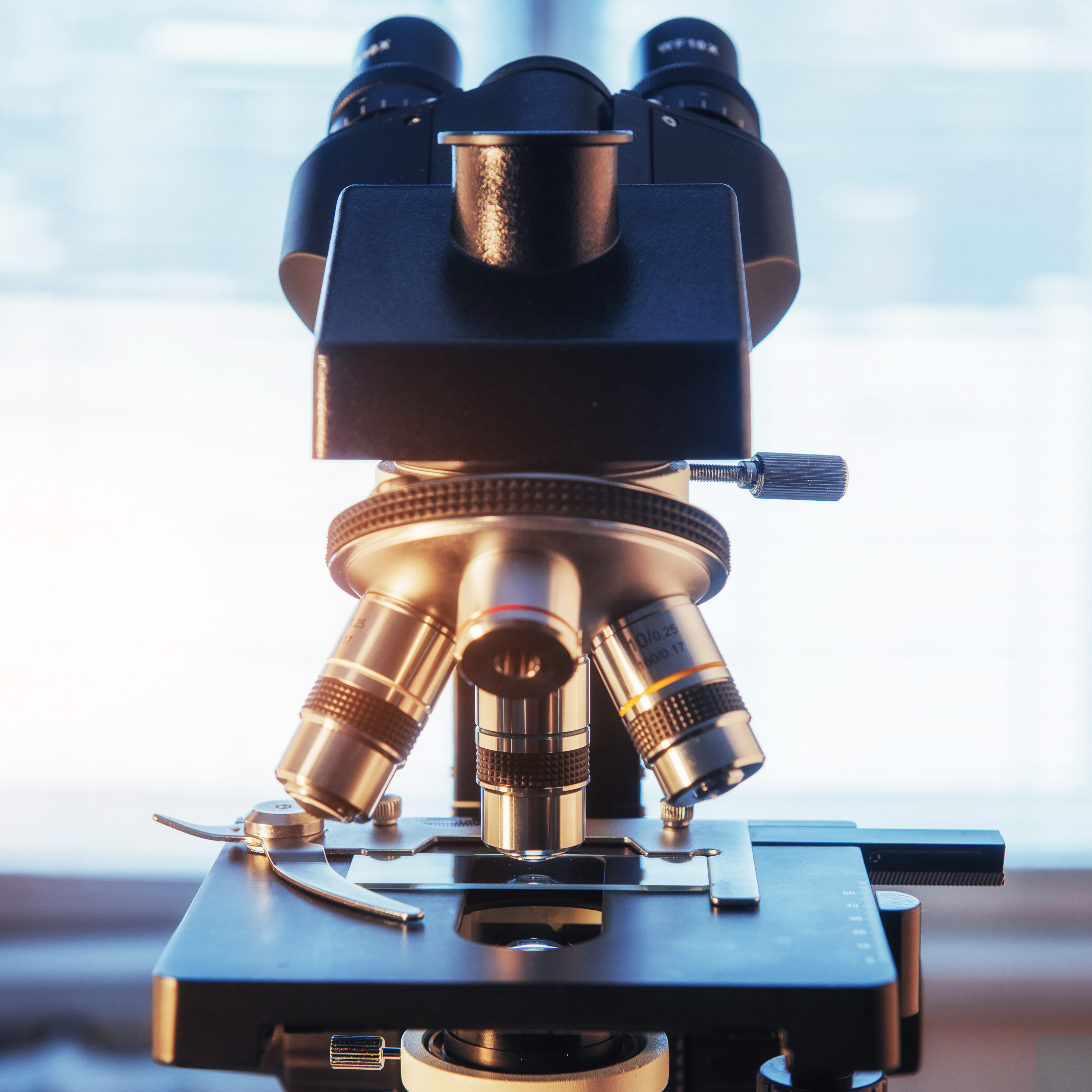
A light microscope is an optical instrument that uses visible light to illuminate a specimen and produce a magnified image. The light passes through or reflects off the sample and is then magnified through objective and eyepiece lenses.
Unlike advanced microscopes such as electron microscopes, the light microscope is ideal for routine laboratory work and educational purposes.
Working Principle of a Light Microscope
The working principle of a light microscope is based on the interaction between light and lenses.
Key Steps:
- Light is emitted from a source (lamp or mirror)
- The light passes through the specimen
- Objective lenses magnify the image
- Eyepiece lenses further enlarge the image for viewing
Magnification Formula:
Total Magnification = Objective Lens × Eyepiece Lens
For example:
- 40x objective × 10x eyepiece = 400x magnification
Main Parts of a Light Microscope
Understanding the structure of a light microscope is crucial for proper use.
Optical Components:
- Eyepiece (ocular lens)
- Objective lenses (4x, 10x, 40x, 100x)
- Condenser
- Light source
Mechanical Components:
- Stage (holds the slide)
- Coarse and fine focus knobs
- Arm and base
Each part of the light microscope plays a vital role in producing a clear and magnified image.
Types of Light Microscope
There are several types of light microscope, each designed for specific applications:
1. Compound Light Microscope
- Most common type
- Uses multiple lenses
- Ideal for viewing cells and bacteria
2. Stereo Light Microscope
- Provides 3D images
- Used for larger specimens (insects, tissues)
3. Phase-Contrast Light Microscope
- Enhances contrast in transparent samples
- Useful for live cells
4. Fluorescence Light Microscope
- Uses fluorescent dyes
- Common in molecular biology
Uses of Light Microscope
The light microscope is used in many fields:
In Biology:
- Observing cells and tissues
- Studying microorganisms
In Medicine:
- Diagnosing diseases
- Blood cell analysis
In Education:
- Teaching students basic microscopy
In Research:
- Cell culture studies
- Microbial identification
Advantages of Light Microscope
- Easy to use
- Affordable compared to electron microscopes
- Suitable for live specimens
- Minimal sample preparation
Limitations of Light Microscope
- Limited resolution (~200 nm)
- Cannot visualize viruses clearly
- Lower magnification compared to electron microscopes
Light Microscope vs Electron Microscope
| Feature | Light Microscope | Electron Microscope |
|---|---|---|
| Light Source | Visible light | Electron beam |
| Magnification | Up to ~1000x | Up to millions |
| Cost | Low | Very high |
| Sample Type | Live or dead | Only dead |
How to Use a Light Microscope (Step-by-Step)
- Place the slide on the stage
- Turn on the light source
- Start with low magnification
- Adjust focus using coarse knob
- Refine image with fine focus
- Increase magnification if needed
Conclusion
The light microscope is a powerful and essential tool in science and education. Despite technological advancements, it remains widely used due to its simplicity, affordability, and effectiveness.
Whether you are a student, researcher, or laboratory professional, mastering the light microscope is fundamental for exploring the microscopic world.