Combur Test : A Reliable Solution for Rapid and Accurate Urinalysis
Urinalysis is one of the most commonly used diagnostic procedures in medical practice. It helps clinicians detect early signs of infections, metabolic disorders, kidney diseases, and other health conditions. Among the most trusted tools for urine testing worldwide is the Combur Test, a family of high-quality urine reagent strips known for their precision, stability, and ease of use.
What Is the Combur Test?
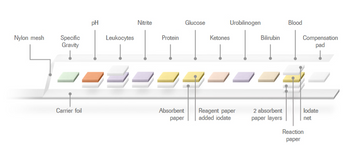
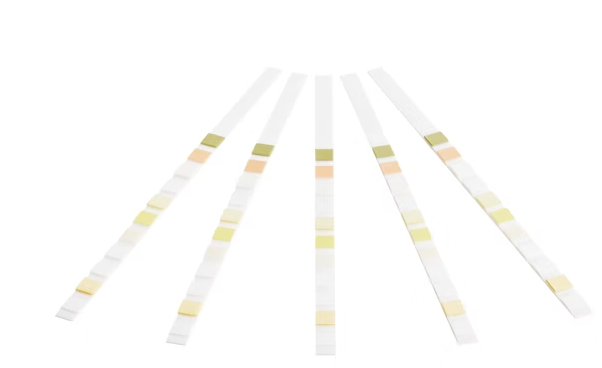
The Combur Test refers to a range of urine reagent test strips developed for fast and accurate urinalysis. These strips contain multiple reactive pads, each designed to detect a specific analyte in urine. When dipped into a urine sample, the pads undergo a color change depending on the presence and concentration of certain biomarkers.
The Combur Test is widely used in:
-
Hospitals
-
Clinical laboratories
-
Point-of-care testing
-
GP practices
-
Research facilities
Thanks to its reliability and simplicity, it is a cornerstone of routine diagnostic screening.
What Can the Combur Test Detect?
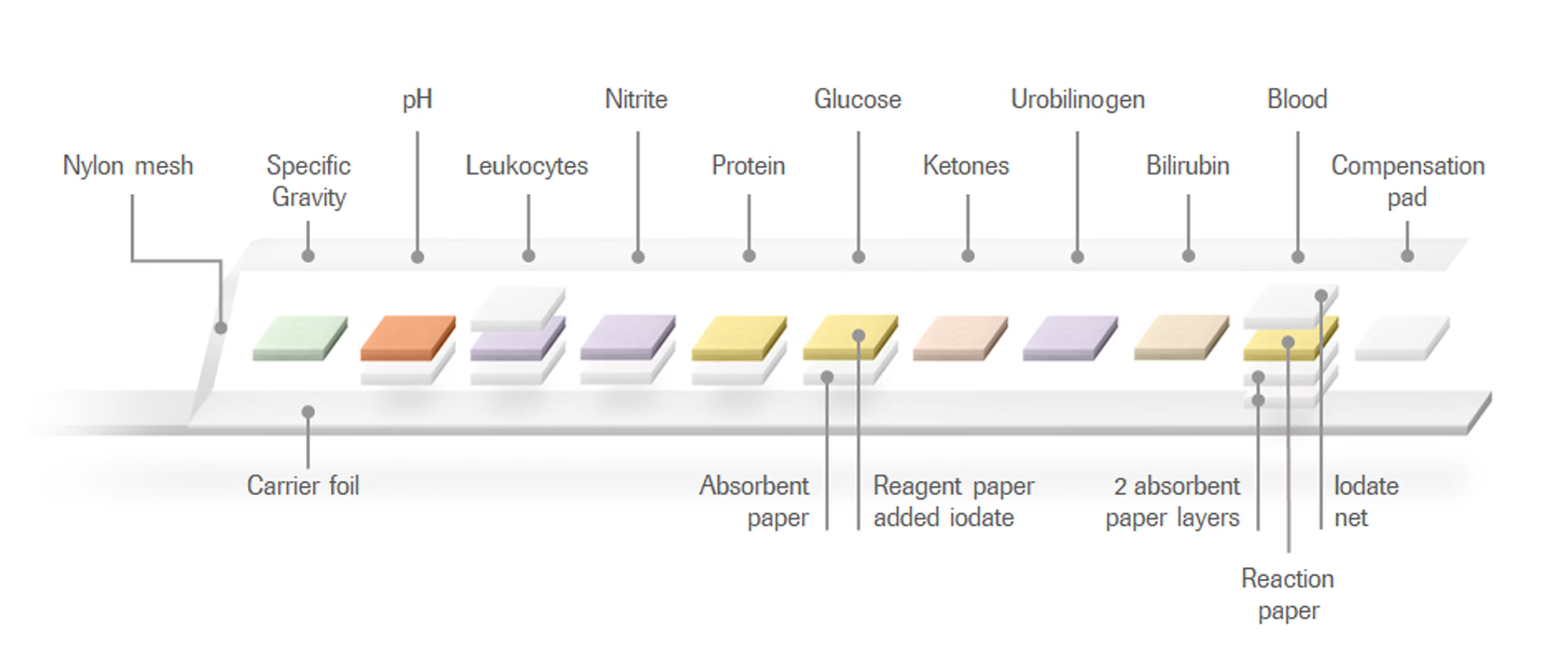
While different strip versions exist (Combur 2, Combur 3, Combur 5, Combur 7, Combur 10), they generally detect combinations of the following parameters:
-
Leukocytes – Indicators of infection or inflammation
-
Nitrite – Suggestive of bacterial UTI
-
Protein – Marker of kidney disease
-
Glucose – Important in diabetes detection
-
Ketones – Useful in metabolic monitoring
-
Blood / Erythrocytes – Indicates injury, infection, or stones
-
pH – Reflects metabolic and renal status
-
Specific Gravity – Measures urine concentration
-
Bilirubin / Urobilinogen – Reflects liver function
The number of parameters depends on the Combur Test version used.
Why the Combur Test Is Widely Trusted
1. High Analytical Precision
Combur strips use a dual-indicator system, reducing false positives and improving color differentiation.
2. Rapid Results
Most results are available within 60 seconds, making them ideal for urgent testing.
3. Excellent Color Stability
The color pads maintain stability over time, allowing more accurate interpretation.
4. Simple Workflow
No special equipment is required—strips can be used manually or with automated readers.
5. Suitable for Multiple Clinical Settings
From emergency rooms to small clinics, Combur Tests fit into any testing environment.
How to Use a Combur Test Strip
-
Collect a clean urine sample.
-
Dip the strip for one second.
-
Remove excess urine by running the strip along the container edge.
-
Wait for the reaction time listed on the package.
-
Compare the pad colors with the reference chart.
-
Record the results manually or via an analyzer.
Clinical Applications
Combur Tests are used to support diagnosis in:
-
Urinary Tract Infections (UTIs)
-
Kidney disease screening
-
Metabolic disorders
-
Diabetes monitoring
-
Liver function assessment
-
Routine health examinations
-
Prenatal urine screenings
Their sensitivity makes them useful for early detection and preventive care.
Conclusion
The Combur Test is a reliable, fast, and user-friendly tool for urinalysis. Its robust design, high sensitivity, and wide diagnostic coverage make it one of the most trusted urine strip technologies globally. Whether used in hospitals, laboratories, or point-of-care environments, Combur Test strips provide accurate information essential for informed clinical decisions.